


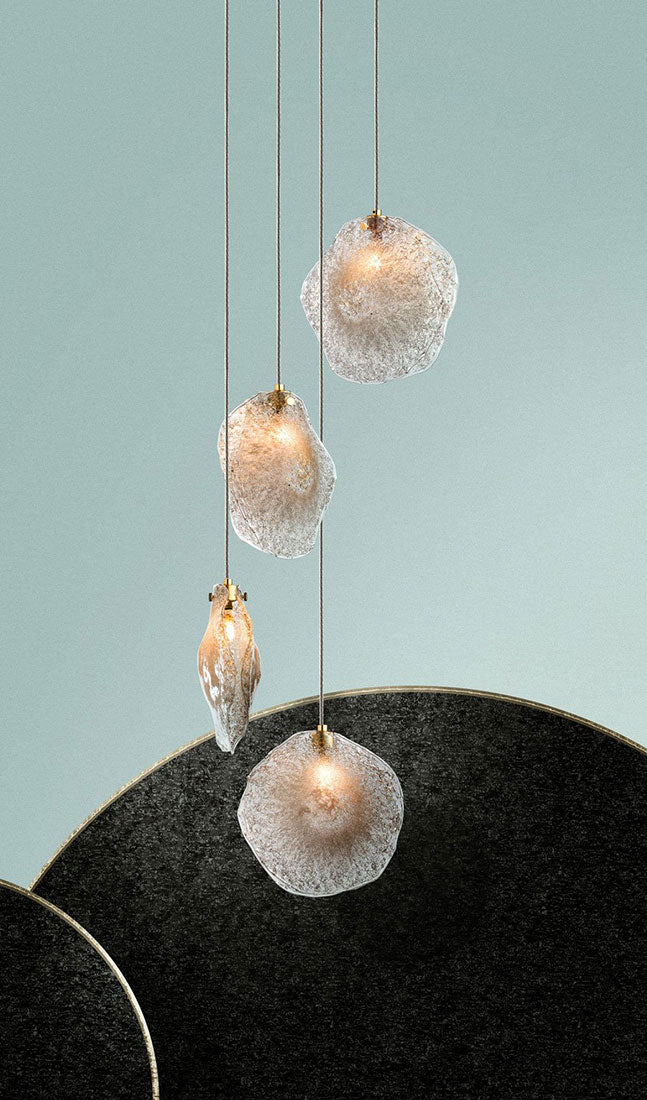


Selecting a custom lighting fixture offers an exciting opportunity to shape the atmosphere, character, and visual balance of a home. While determining the scale and silhouette of an installation is essential, the choices made regarding glass color and finish are what truly dictate how a piece interacts with an interior. Glass is a uniquely dynamic medium; it acts as a vehicle for light, manipulating rays through reflection, refraction, and absorption.
Understanding how different hues and textures influence both output and aesthetics is critical when designing a bespoke installation. This practical guide explores the science and artistry behind glass selection, helping you make an informed decision that harmonizes with your space for years to come.
The Science of Light Transmission and Glass Color
Every color choice introduces a distinct behavioral shift in how light populates a room. When a light source sits behind colored glass, the material acts as a visual filter, absorbing specific wavelengths while allowing others to pass through.

The density and hue of custom glass directly govern the absorption, warmth, and output of light rays.
Clear glass provides the highest level of luminous efficacy, transmitting nearly one hundred percent of the light source's energy. It is ideal for spaces requiring crisp, functional illumination. However, introducing color alters this equation significantly. Deep tones, such as rich amber, smoky gray, or cobalt blue, possess higher density and opacities, which means they absorb more light and emit a softer, more localized glow.
Glass Transparency & Light Output
| Glass Finish Type | Light Transmission & Functional Use |
|---|---|
| Clear / Seeded Glass | Maximum Transmission: Best suited for Task and Ambient lighting where brightness is paramount. |
| Frosted / Matte Glass | Diffused, Soft Glow: Ideal for Glare Reduction and creating a comfortable, balanced atmosphere. |
| Deeply Tinted Glass | Low Transmission: Tailored for Accented and Atmospheric illumination, providing rich drama. |
When integrating saturated colors, it is important to account for this drop in output. For instance, a dining room chandelier utilizing dark, smoky glass pendants may require additional architectural downlights or a higher lumen output from the internal bulbs to maintain adequate illumination. Conversely, lighter tints like soft champagne or subtle pink add a delicate wash of color to the surroundings without drastically dimming the room.
Exploring Glass Finishes: From Gloss to Matte
The surface treatment applied to custom glass completely alters its relationship with the surrounding architecture. Artisans utilize several methods to manipulate the texture of a fixture, each yielding a different visual effect.
High-Gloss and Fire-Polished Finishes
A classic, glossy finish highlights the natural fluidity of blown glass. Fire polishing smooths the surface to a mirror-like sheen, making the fixture highly reflective. During the day, glossy glass catches the natural sunlight streaming through windows, creating sharp highlights and bringing a sense of movement to the room. At night, it produces brilliant, sparkling points of light. This finish is perfect for spaces where you want the lighting to act as a sparkling focal point, such as a grand foyer or a formal living room.
Frosted, Etched, and Matte Textures
To achieve a softer, more understated look, artisans use acid-etching or sandblasting to create a matte finish. This texture alters the physical surface of the glass, scattering light rays in multiple directions rather than letting them pass cleanly through.
According to optical research compiled by the Lighting Research Center, diffusing a light source significantly reduces glare and minimizes harsh shadows, resulting in a more visually comfortable environment. Matte glass transforms a piercing bulb into a smooth, even orb of light. It is an excellent choice for bedrooms, powder rooms, or intimate dining spaces where relaxation and visual comfort are the primary goals.
Artisanal Textures: Seeded, Ribbed, and Crackled
For those seeking an organic or historic feel, physical textures can be introduced during the blowing process. Seeded glass contains thousands of tiny air bubbles trapped within the material, catching the light like microscopic prisms. Ribbed or optic glass features structural ridges that bend light into beautiful patterns across the walls, while crackled glass offers an antique, weathered look. These textures add depth to the fixture even when the lights are turned completely off.
Harmonizing Glass Choices with Your Existing Palette
A custom fixture should not exist in a vacuum; it must converse with the materials, fabrics, and architectural finishes already present in your home.

Bespoke configurations should align structural metal canopies with the surrounding interior design scheme.
Working with Metal Finishes
The hardware supporting your glass is an important piece of the design puzzle. If your space features warm metals like brushed brass, oil-rubbed bronze, or copper, pairing them with warm glass tones like amber, gold, or cream creates a cohesive, rich environment. If your interior leans toward cool metals like polished chrome, nickel, or black iron, then opting for clear, frosted, or smoky gray glass maintains that sleek, contemporary edge.
Navigating Color Psychology and Room Function
Color heavily impacts human emotion and spatial perception. When choosing a glass palette, consider how the room is used:
- Living Rooms and Dens: Warm tones like amber, topaz, and smoke foster a sense of intimacy, comfort, and security.
- Kitchens and Workspaces: Clear, seeded, or lightly frosted glass keeps the environment feeling clean, energetic, and bright.
- Bedrooms and Spa Bathrooms: Soft blues, muted greens, or frosted white glass encourage restfulness, echoing principles of biophilic design.
To dive deeper into how color selections influence spatial experiences and human well-being in residential architecture, you can read the environmental design guidelines published by the U.S. General Services Administration.
Balancing Statement Colors with Timeless Longevity
It can be tempting to choose bold, vibrant hues for a custom installation, especially when designing a centerpiece. While a multi-colored, vivid installation can look breathtaking, it requires a careful hand to ensure it remains timeless rather than trendy.
If you love vibrant colors, consider using an asymmetric distribution where the majority of the glass pieces are clear, frosted, or neutral, accented by a few strategically placed jewel-toned elements. This approach injects personality without overwhelming the room. Alternatively, opting for a monochromatic palette using varying shades of a single color, such as a gradient of blues or a mix of smoky tones, provides a sophisticated, sculptural look that easily adapts if you decide to change your furniture or wall paint down the road.
Translating Design Vision into Reality

A thoughtfully realized artistic statement turns utility into a lifelong architectural anchor.
The journey of configuring a custom lighting installation is highly rewarding when guided by experienced hands. Studios like Shakúff Luxury Lighting excel at transforming raw material options into tailored architectural statements. By exploring their diverse collections, you can observe firsthand how different combinations of glass styles, such as hand-blown pendant lights or intricate custom chandeliers, react to color and texture variations.
Working closely with design consultants allows you to view samples under different lighting conditions, ensuring that the final, handcrafted masterpiece behaves perfectly within the unique environment of your home.
If you are ready to begin selecting the ideal glass textures, colors, and configurations for your next interior project, contact the design experts at Shakúff today to schedule a personalized design consultation and bring your distinct aesthetic vision to life.