


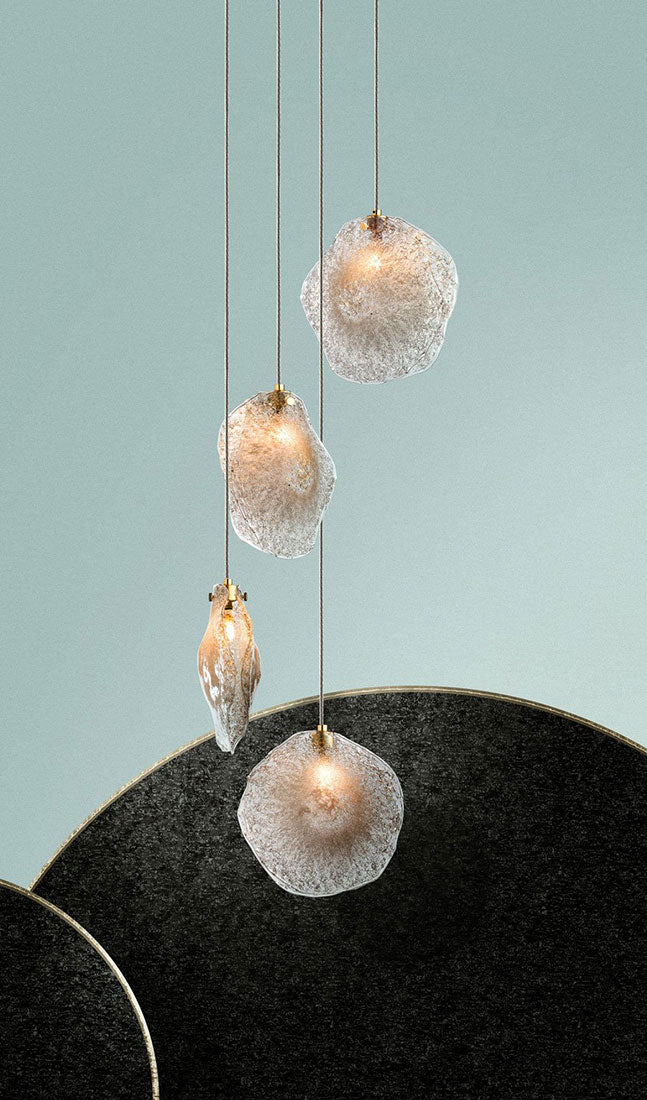


A truly luxurious living room is defined not merely by its square footage or bespoke furnishings, but by how light animates the space. Lighting is the quiet architect of atmosphere, the invisible thread that transforms an expansive modern room into an intimate sanctuary. In high-end residential interiors, illumination transcends pure utility to become functional art. Mastering the interplay between light, shadow, and architectural form requires a nuanced approach to layering, where every source serves a calculated purpose.
While custom chandeliers and sculptural pendants command immediate attention overhead, the mid-level landscape of your living room relies heavily on portable fixtures. The choice between a floor lamp and a table lamp, and understanding how to harmonize both, is the secret to creating depth, warmth, and visual balance. By pairing handcrafted glass art with strategic placement, you can curate a luminous environment that adapts seamlessly from daytime entertaining to evening relaxation.

Understanding the Foundations of Light Layering
Architectural lighting design rests on three distinct layers: ambient, task, and accent lighting. Achieving a sophisticated luxury interior requires integrating all three layers so no single fixture works in isolation.
-
Overhead Layer (Ambient Foundation): The foundational layer that illuminates the room evenly using pendants, chandeliers, or recessed fixtures. Ambient light can also be diffused softly through floor lamps featuring expansive hand-blown glass shades.
-
Mid-Level Layer (Task & Spatial Depth): Targeted illumination using floor and table lamps positioned near seating areas, sideboards, or reading nooks to provide functional light without harsh glare.
-
Ground/Accent Layer (Art & Architecture): The artistic layer used to highlight architectural niches, organic textures, or fine art. Hand-blown glass elements, such as those created by Shakúff, excel as accent pieces, capturing and refracting light into subtle patterns across surrounding surfaces.
When floor and table lamps are integrated intentionally, they bridge the gap between grand overhead installations and low-level mood lighting, grounding the room's visual weight.
Floor Lamps: Sculptural Scale and Vertical Elevation
Floor lamps are the architectural pillars of mid-level illumination. In expansive living spaces with double-height ceilings or open-concept layouts, a well-proportioned floor lamp draws the eye upward, celebrating verticality while filling awkward spatial voids.
Spatial Scale and Proportions
A common misstep in high-end spaces is selecting floor lamps that are swallowed by the room's proportions. A bespoke floor fixture should act as a vertical anchor. Slender, arc-style silhouettes or clustered glass spires work exceptionally well in empty corners, behind sectional sofas, or adjacent to floor-to-ceiling windows.
The Artistry of Hand-Blown Glass
At Shakúff, lighting is approached through the lens of modern craft. Incorporating hand-blown glass into a floor lamp turns a structural piece into a radiant focal point. When off, the glass acts as a tactile sculpture; when illuminated, the subtle inclusions, air bubbles, and color gradations within the glass cast mesmerizing, organic shadows that soft-fill the ambient background.
Table Lamps: Intimate Tasking and Tactile Detail

Where floor lamps offer vertical sweep, table lamps bring intimacy, symmetry, and tactile elegance to seating arrangements. Positioned closer to eye level when seated, these fixtures dictate the comfort and functionality of your living area.
Framing Seating and Architectural Symmetry
Table lamps are the ultimate tool for establishing visual balance. Flanking a tailored sofa with matching hand-crafted glass table lamps creates an immediate sense of order and quiet grandeur. Alternatively, placing an asymmetric, artisanal glass lamp on a console table adds dynamic texture to a contemporary entryway or living room boundary.
Managing Glare and Ergonomics
Because table lamps sit near eye level, controlling light output and shade translucency is critical for comfort. Research on vision and lighting standards from the Illuminating Engineering Society emphasizes the importance of glare reduction in residential environments to reduce visual fatigue. Choosing lamp shades crafted from frosted, seeded, or textured glass diffuses harsh bulb output into a warm, inviting glow perfect for conversation.
Floor Lamp vs. Table Lamp: A Comparative Guide
To design a balanced layout, consider how each fixture type contributes to your space's aesthetic and practical needs:
|
Design Dimension |
Floor Lamps |
Table Lamps |
|
Primary Lighting Role |
Ambient fill, vertical accent, overhead reach |
Task lighting, intimate ambient glow, accent |
|
Ideal Placement |
Room corners, beside large lounge chairs, open voids |
Side tables, consoles, mantels, sideboards |
|
Visual Impact |
Strong vertical anchor; draws the eye upward |
Eye-level accent; adds symmetry and surface detail |
|
Spatial Footprint |
Minimal floor footprint; high vertical presence |
Requires flat surface space; lower overall height |
|
Glass Art Integration |
Works best with tall glass clusters, drops, or large globes |
Ideal for intricate blown glass bases and detailed shades |
|
Best Used For |
Softening dark corners and anchoring open layouts |
Framing seating areas and illuminating task zones |
Materiality and Customization: The Shakúff Edge
In luxury residential design, off-the-shelf solutions rarely align with complex architectural visions. True luxury lies in customization, tailoring the scale, finish, and drop of every fixture to suit the specific volume of a room.
Bespoke glassmaking techniques offer an incredible spectrum of atmospheric effects:
-
Pulegoso Glass: Characterized by thousands of intentionally trapped air bubbles, this technique creates an ethereal, shimmering diffusion ideal for soft ambient lighting.
-
Dichroic and Metallic Infusions: Infusing precious metals or dichroic coatings into molten glass causes the fixture to shift color depending on the viewer's angle and daylight conditions.
-
Custom Brass and Steel Metalwork: Pairing hand-blown glass with hand-finished bronzed, brass, or blackened steel hardware ensures the lamp harmonizes with existing hardware and architectural finishes.
To see how bespoke glass fixtures transform residential spaces, explore Shakúff’s custom gallery for inspiration on tailoring shapes, colors, and layouts.
Practical Design Advice for Layering Light
To execute a flawless lighting scheme in your luxury living room, apply these practical design principles:
1. Establish a Layered Height Hierarchy
Avoid placing all light sources at the same horizontal plane. Stagger your light sources across three primary height zones: overhead fixtures above 7 feet, floor lamps between 5 and 6 feet, and table lamps between 28 and 36 inches off the floor. This variation prevents visual monotony and creates rich spatial depth.
2. Prioritize Color Temperature Consistency
Keep color temperatures consistent across all portable and permanent fixtures. For luxury residential living rooms, aim for warm white light between 2700K and 3000K. Lower color temperatures foster a cozy, relaxed ambiance that highlights natural wood tones, plush textiles, and warm glass finishes. Refer to the historical research archives at the Corning Museum of Glass to explore how light transmission through hand-worked glass historically dictated interior warmth and mood.
3. Integrate Smart Dimming Controls
Every lamp in a luxury living space should be dimmable. Integrating your floor and table lamps into a centralized smart lighting control system allows you to program custom scenes, such as "Daylight Transition," "Cocktail Hour," or "Late Night Cinema", adjusting mid-level fixtures with a single touch.
4. Pair Portables with Statement Chandeliers
Floor and table lamps should complement, not compete with, your primary statement ceiling piece. If your living room features a dramatic, multi-pendant cluster, such as those found in Shakúff’s chandelier collection, opt for table and floor lamps with clean silhouettes and subtle glass textures that echo the overhead design language without overpowering it.
Transform Your Space with Handcrafted Illumination
Lighting should never be an afterthought in luxury design; it is the defining element that breathes life into fine materials, rich architectural details, and curated furnishings. By understanding the distinct roles of floor and table lamps, and artfully blending them with bespoke glass elements, you elevate your living room from a well-furnished space into an immersive visual experience.
Whether you are designing a sleek modern penthouse or refining a classic estate, light layering requires an artistic touch and precise engineering. Contact our design artisans today to discuss custom commissions, bespoke glass finishes, and tailored lighting solutions for your next project.