


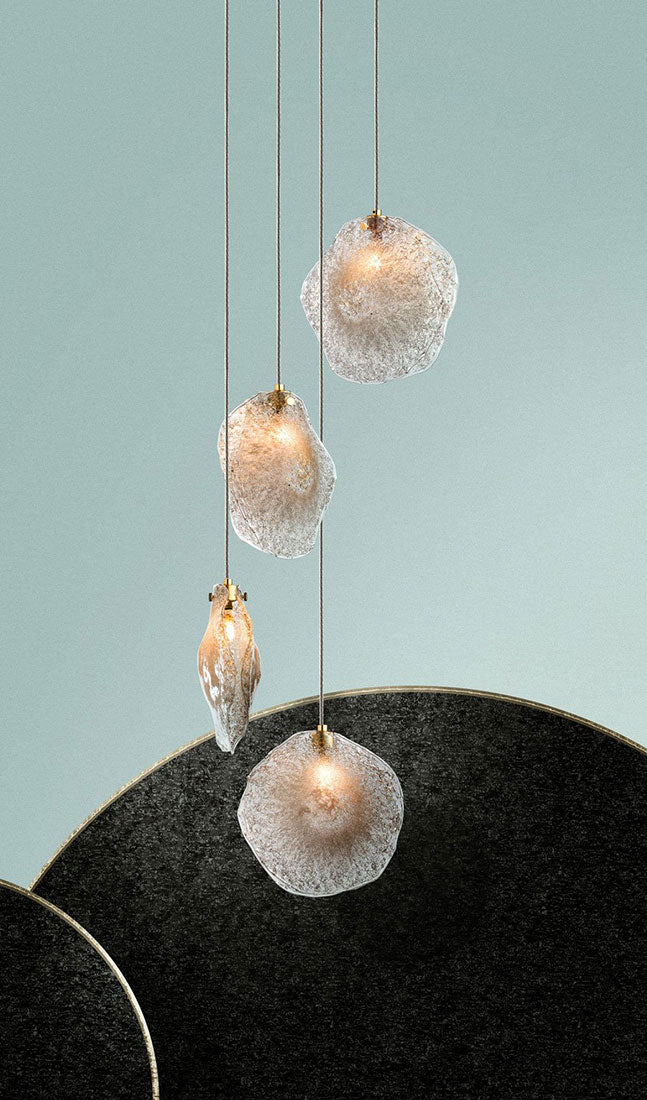


Creating a bespoke interior is an exercise in patience, precision, and artistic storytelling. In luxury residential and commercial design, true distinction lies in elements crafted specifically for the space they inhabit. Among these, custom handcrafted lighting stands as the ultimate synthesis of form and function, a physical sculpture that dictates the emotional atmosphere of a room. Yet, transforming a creative vision into a monumental glass installation requires a delicate journey through design, engineering, and master craftsmanship.
For homeowners, architects, and interior designers, understanding the roadmap of a custom lighting project is essential for seamless site management and construction scheduling. Unlike mass-produced fixtures that sit in warehouses, heirloom lighting sculptures are built to order, tailored to precise spatial volumes, ceiling conditions, and aesthetic palettes. Navigating this process demands clarity on milestones, lead times, and fabrication phases to ensure your project arrives on schedule and transforms your interior into a masterpiece.

Phase 1: Conceptualization and Design Consultation (Weeks 1–2)
The custom journey begins long before glass touches the furnace. During the initial design consultation, studio artists and technical engineers collaborate with the client, interior designer, or architect to establish the project's creative direction and spatial requirements.
This phase focuses on interpreting the architectural environment. Design teams evaluate floor plans, ceiling heights, electrical locations, and material finishes to define scale, color palettes, and fixture configurations. Whether developing a dramatic multi-pendant cascade for a double-height entryway or a warm series of blown-glass sconces for a master suite, every detail is considered.
Preliminary sketches, 3D renderings, and glass sample selections are refined during these initial weeks. Establishing clear aesthetic goals early ensures that technical engineering and artistic intent align seamlessly before production begins.
Phase 2: Technical Engineering, Shop Drawings, and Approval (Weeks 3–4)
Once the design direction is established, the project moves into rigorous technical engineering. A custom chandelier is not merely a decorative piece; it is a structural installation that must adhere to strict safety and electrical standards.
Engineers create detailed shop drawings specifying canopy dimensions, overall drop lengths, mounting hardware, transformer locations, and load-bearing requirements. Electrical specifications are reviewed to ensure compatibility with dimming protocols and smart home automation systems. According to building safety codes published by the International Code Council (ICC), high-hanging fixtures require certified structural backing and compliant wiring to guarantee structural integrity over time.
Clients review and approve these comprehensive shop drawings alongside physical glass samples. Final sign-off marks a pivotal milestone, transitioning the project from concept into active fabrication.
Phase 3: Artisan Glassblowing and Metalwork Fabrication (Weeks 5–9)
The heart of the project takes place in the studio hot shop and metal fabrication facility. This active creation phase typically requires four to five weeks, depending on the complexity, scale, and volume of glass elements.
Master glassblowers shape each individual shade, pendant, or blown-glass element by hand. Using centuries-old techniques documented by institutions like the Corning Museum of Glass, molten glass is gathered, blown, textured, and annealed in temperature-controlled ovens. Inherent variations in glass density, organic bubble patterns, and color swirls give each piece its distinctive artistic character. Simultaneously, metal artisans fabricate custom ceiling canopies, finish frame components, and prepare suspension cables using precision materials like brushed brass, stainless steel, or bronze.
Phase 4: Assembly, Quality Assurance, and Testing (Weeks 10–11)

With all glass and metal components fully crafted and inspected, the project moves to the assembly bench. Studio technicians assemble the complete fixture to test fit, balance, and visual harmony.
During quality control, electrical wiring is subjected to rigorous testing to verify UL certification standards and ensure flawless performance. The fixture is illuminated to check color consistency, glass clarity, and overall light output. According to technical guidelines from the Illuminating Engineering Society (IES), verifying proper lumen output and color rendering index (CRI) during pre-assembly prevents ambient lighting imbalances after installation. Once testing is complete, individual glass elements are carefully labeled, documented, and packed in custom foam crates designed for safe transit.
Timeline Breakdown by Project Scope
Every custom project carries unique parameters. The table below outlines realistic timelines based on fixture scale and complexity:
|
Project Type & Scope |
Design & Approval |
Fabrication & Crafting |
Total Estimated Lead Time |
Primary Considerations |
|
Bespoke Wall Sconces & Single Pendants |
1–2 Weeks |
3–4 Weeks |
4–6 Weeks |
Ideal for accent lighting, master baths, or quick renovation timelines. |
|
Standard Custom Chandeliers |
2–3 Weeks |
4–5 Weeks |
6–8 Weeks |
Tailored color, canopy size, and drop lengths for dining rooms and kitchens. |
|
Double-Height Foyer Installations |
3–4 Weeks |
6–8 Weeks |
9–12 Weeks |
Requires multi-tier engineering, site coordination, and custom motorized winches. |
|
Large-Scale Commercial & Hospitality |
4–6 Weeks |
8–12 Weeks |
12–18 Weeks |
Involves complex structural sign-offs, UL listing protocols, and multi-phase delivery. |
Phase 5: White-Glove Delivery and On-Site Installation (Week 12+)
The final milestone is the white-glove delivery and professional installation of your lighting sculpture. Because high-end fixtures arrive as carefully organized components, installation should be conducted by a licensed electrician or experienced art handling team.
Pendants are hung individual by individual, adjusting suspension lengths to mirror room sightlines and architectural features. Once fully installed, final lighting adjustments ensure the fixture illuminates the space as intended, completing the transformation of your room.
Practical Design Tips to Keep Your Project on Schedule

Delays in custom interior projects often stem from misaligned timelines rather than production bottlenecks. Follow these actionable strategies to keep your custom lighting project moving smoothly:
Engage the Studio Early in Construction
Involve your lighting designer during the architectural framing and electrical rough-in phases. Planning canopy support, junction box placement, and electrical drivers early prevents costly structural rework later.
Finalize Interior Finishes Before Glass Selection
Select your wood flooring, stone counter slabs, and wall paint prior to approving glass color samples. Handcrafted glass reflects surrounding interior tones, so finalizing adjacent materials ensures perfect color harmony.
Coordinate Ceiling Heights and Furniture Placement
Accurate ceiling heights and dining table measurements are essential before approving final drop lengths. Double-check finished floor elevations to guarantee ideal fixture clearances.
Plan Around Peak Construction Seasons
High-end residential construction surges during spring and early autumn. Placing custom orders well ahead of major holiday deadlines ensures your fixture arrives without shipping delays.
Partnering with Brooklyn Artisans for Your Vision
A custom lighting project is a collaborative journey that turns spatial challenges into breathtaking fine art statements. By understanding the phases of design, glassblowing, engineering, and testing, you can navigate your build or renovation with complete confidence.
At Shakúff, our Brooklyn-based design team combines master artisan glassblowing with precision engineering to create bespoke lighting solutions for luxury interiors worldwide. Learn more about us, explore our portfolio of custom installations in our custom gallery, or browse our signature handcrafted chandeliers to initiate your design consultation today.