


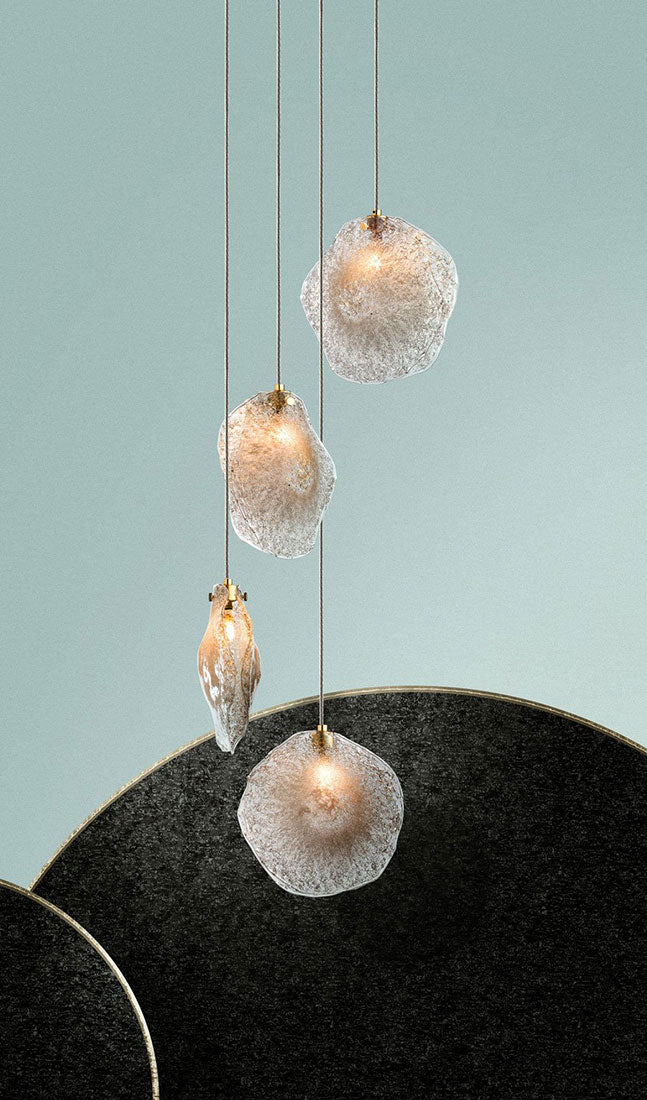


In the upper echelons of residential and commercial design, pitch presentations are defined by how persuasively a vision is communicated. Presenting off-the-shelf catalog products is straightforward, clients see a fixed photograph and make a swift choice. However, pitching a bespoke lighting concept requires guiding your client to visualize something that does not yet exist: a one-of-a-kind sculptural piece tailored specifically to their architectural volume.
Lighting is the crown jewel of an interior space. It anchors high-ceiling foyers, defines grand dining areas, and imbues living spaces with emotional warmth. Yet, luxury clients often struggle to conceptualize how custom hand-blown glass, tailored metal canopies, and specific light temperatures will translate into their home. To secure enthusiastic approval for a bespoke commission, interior designers and architects must bridge the gap between creative abstraction and physical reality.

1. Frame Lighting as an Architectural Investment and Fine Art
The initial step in presenting a custom lighting proposal is shifting your client’s mindset from viewing lighting as a simple fixture to recognizing it as an investment in architectural fine art.
High-end clients readily invest in paintings, sculptures, and rare stone surfaces. Custom lighting bridges these categories by combining functional illumination with three-dimensional glass art. Highlight how an artisanal installation serves as a permanent centerpiece that dictates the room's mood during the evening and functions as an intriguing glass sculpture in natural daylight. Framing the concept around spatial transformation and artistic value lays a strong foundation before discussing technical specifications or budgets.
2. Leverage Physical Material Samples and Tactile Swatches
Digital renderings are essential, but tactile engagement drives emotional buy-in. Luxury clients want to feel the weight, grain, and clarity of the materials destined for their home.
Never present a bespoke lighting pitch using digital slides alone. Work directly with your design studio to secure physical samples of hand-blown glass, metal canopy finishes, and suspension cords. Allow your client to hold a sample of drizzled or optic-bubbled glass up to natural light. Show them how hand-finished brass or blackened bronze interacts with adjacent cabinetry, wall coverings, and drapery fabrics. Physical samples transform abstract promises into tangible craftsmanship.
3. Compare Presentation Tools to Elevate Your Client Pitch
Choosing the right combination of presentation tools ensures your narrative resonates clearly with various client personalities, from analytical estate developers to artistic homeowners:
|
Presentation Tool |
Client Experience & Primary Impact |
Best Used For |
Strategic Advantage |
|
Physical Glass & Metal Samples |
Delivers immediate tactile connection; demonstrates glass clarity, density, and finish quality. |
In-person design meetings and material board reviews. |
Builds instant trust in craftsmanship and eliminates uncertainty regarding color accuracy. |
|
3D Photorealistic Renderings |
Illustrates spatial proportions, hanging scale, and ambient light distribution within the room. |
Visualizing complex double-height foyers and open floor plans. |
Clarifies drop heights and spatial volume, preventing fears of over-scaling. |
|
CAD Shop Drawings |
Communicates precise engineering, canopy layout, electrical placement, and weight loads. |
Technical sign-offs with general contractors, engineers, and architects. |
Proves structural feasibility and validates compliance with building codes. |
|
Digital Mood Boards & Video |
Sets the emotional tone, highlighting light movement, glass-making artistry, and inspiration. |
Initial conceptual pitches and remote client reviews. |
Captures the creative spirit and links the lighting narrative to the broader interior scheme. |

4. Tell the Artisan Story Behind Glass Crafting Techniques
Luxury clients care deeply about provenance and authenticity. Elevate your presentation by educating your client on the heritage glassblowing techniques required to bring their custom fixture to life.
Detail how master glassblowers gather molten silica at extreme furnace temperatures, shaping each piece using artisanal traditions documented by institutions like the Corning Museum of Glass. Explain that subtle variations, such as delicate air bubbles, hand-drizzled textures, or organic swirls, are not flaws, but the proud hallmarks of handcrafted glass art. Connecting the fixture to human artisanship gives your client a compelling story to share with future guests.
5. Address Light Ergonomics and Architectural Performance
A successful presentation must balance artistic storytelling with technical reassurance. High-end clients demand fixtures that perform flawlessly within their overall home automation ecosystem.
Highlight the fixture’s light ergonomics, color rendering, and control integration. Referencing standards established by the Illuminating Engineering Society (IES) reassures clients that the lighting design prioritizes visual comfort and proper illuminance ratios. Explain how high-CRI LED engines and warm color temperatures ($2700\text{K}$ to $3000\text{K}$) reflect natural skin tones and highlight surrounding interior textures. Demonstrating that the custom installation integrates smoothly with smart dimming systems (such as Lutron or Crestron) addresses practical lifestyle expectations.
6. Actionable Advice for Securing Swift Client Sign-Off
To streamline your pitch process and minimize client hesitation, implement these practical presentation tactics:
Present One Strong Hero Concept
Avoid overwhelming clients with endless variations. Develop a single, definitive "hero" design that aligns perfectly with your overall interior concept, supported by subtle finish options (such as clear vs. amber glass or brass vs. bronze hardware).
Use Scale Mock-Ups on Site
If a client is uncertain about chandelier scale in a tall foyer or dining room, create a quick physical mock-up using paper or foam cutouts on site. Seeing the physical canopy outline or drop profile helps clients feel confident in the chosen dimensions.
Show Precedents from Custom Portfolios
Build client confidence by showcasing completed installations with similar architectural volumes. Sharing real-world case studies from a studio’s custom gallery demonstrates proven success in similar grand spaces.
Coordinate Early with the Project Contractor
Before presenting to the client, verify ceiling structural blocking, junction box capacities, and delivery pathways with the general contractor. Following guidelines supported by organizations like the National Institute of Building Sciences ensures your concept is structurally feasible, eliminating surprise costs or installation delays later.
Partnering with Brooklyn Artisans for Client Success
Presenting a custom lighting concept is an opportunity to elevate your standing as a visionary designer. By combining artistic narrative, physical material samples, realistic 3D visualization, and technical clarity, you make it easy for your client to say "yes."
At Shakúff, we partner with interior designers, architects, and trade professionals worldwide to bring custom lighting concepts from preliminary sketch to flawless installation. Our Brooklyn studio provides custom shop drawings, material samples, and engineering expertise to ensure your client pitches succeed every time. Learn more about us, explore our signature hand-crafted chandeliers, or contact our design team today to start collaborating on your next presentation.