


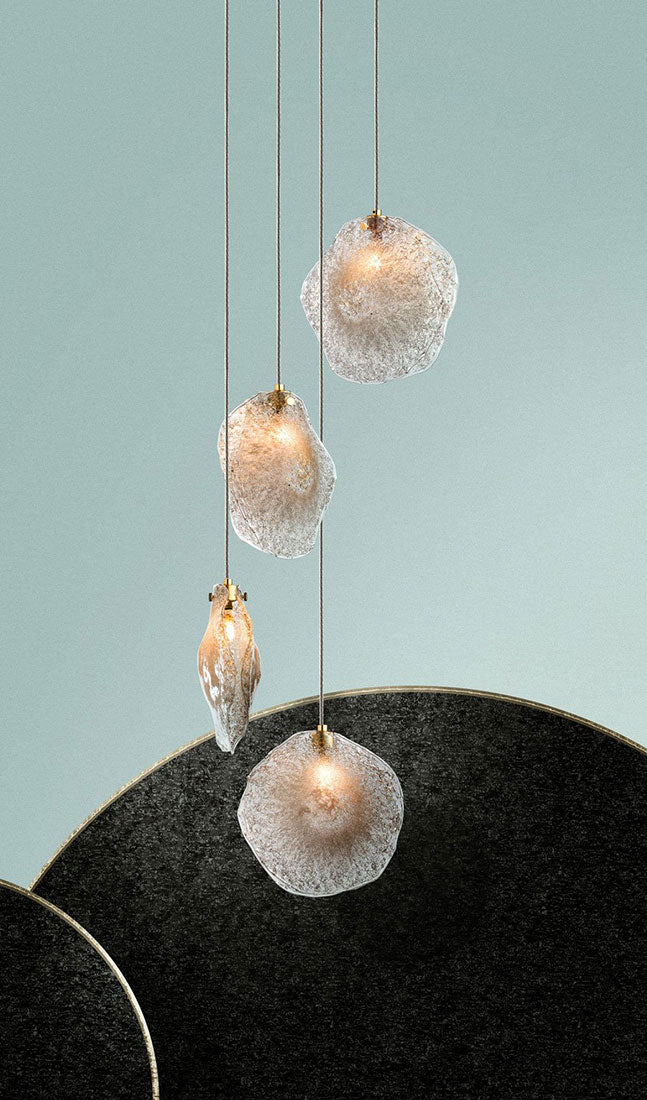


In the realm of architectural design, glass is frequently celebrated for its clarity, transparency, and ability to dissolve the boundaries between an interior space and the outside world. Yet, when glass transitions from a structural barrier into a medium for interior artistry, its true potential is unlocked not through transparency, but through texture, depth, and pattern.
While hand-blown glass captures the fluid, organic memory of motion, fused glass offers a different kind of structural alchemy. Fused glass, or kiln-formed glass, is a discipline where heat, time, and gravity are meticulously controlled to merge separate pieces of glass into a singular, multi-dimensional masterpiece.
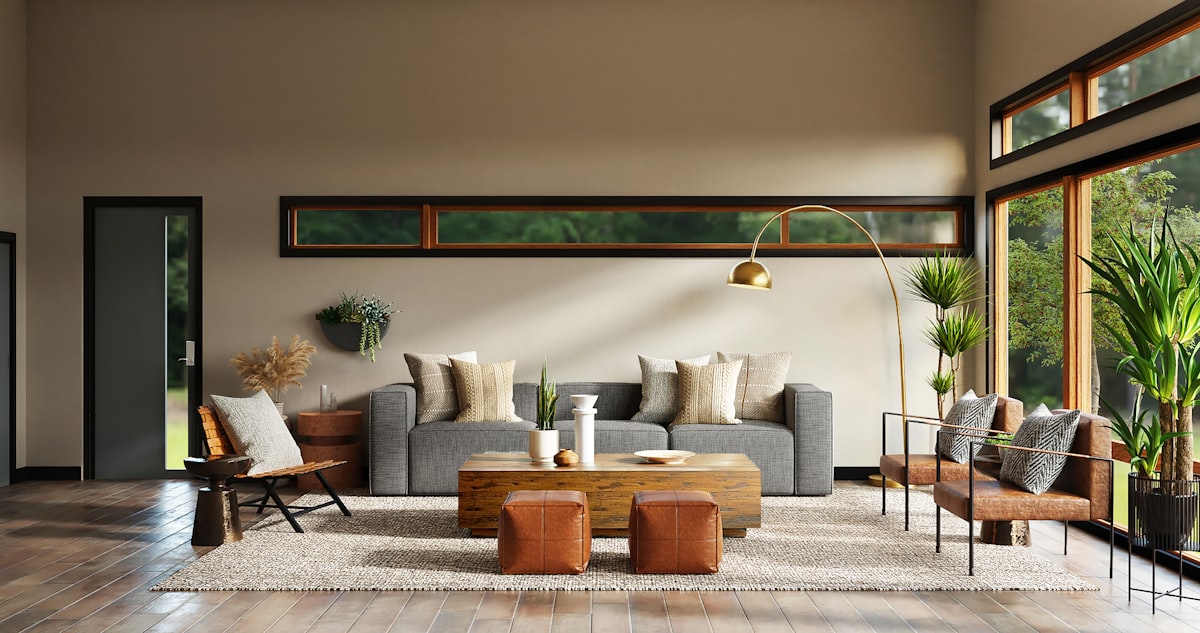
Modern interior spaces are transformed when flat geometric surfaces meet tactile, light-diffusing art elements.
For high-end homeowners, architects, and interior designers, understanding the complex artistry behind fused glass textures reveals how raw silica can be manipulated to control light, inject tactile luxury, and transform a neutral room into an immersive sensory environment.
The Core Science of Kiln-Forming and Thermal Fusion
To fully appreciate the visual sophistication of fused glass, one must first look at the technical physics that govern the kiln environment. Unlike glassblowing, which manipulates material in a liquid state at the end of a pipe, fusing works with cold sheets, rods, powders, and frits of glass that are arranged into precise layouts before entering a specialized kiln.
The magic of the process lies in the manipulation of the firing schedule, a precise sequence of heating, soaking, and cooling cycles calculated down to the minute. The peak temperature reached inside the kiln dictates the physical behavior of the glass and the ultimate texture of the piece.
| Firing Technique | Temperature Range | Physical and Visual Result |
|---|---|---|
| Tack Fusing | 1,300°F - 1,350°F | Distinct, raised relief with sharp tactile depth |
| Slumping / Sagging | 1,200°F - 1,250°F | Smooth, sweeping curves over a structural mold |
| Full Fusing | 1,450°F - 1,500°F | Complete liquefaction, creating a smooth surface |
When multiple pieces of glass are heated together, they cross their softening points and begin to bond at a molecular level. According to material engineering research published by the Smithsonian Institution, managing the cooling phase, known as annealing, is critical for relieving the internal structural stresses that naturally accumulate within the glass matrix during thermal transformation. Proper annealing ensures that complex, heavily textured fused installations possess the structural durability required to last for generations.
Crafting Tactile Relief: The Mastery of Tack Fusing
When a design demands high textural presence, artisans utilize a method known as tack fusing. In this process, the kiln temperature is elevated just enough to make the edges of the glass sticky and malleable, allowing overlapping pieces to fuse securely together while retaining their separate physical profiles.
Tack fusing creates a beautiful three-dimensional relief surface. An artisan can layer fine threads of glass, known as stringers, across a foundational sheet to mimic the linear patterns of natural rain, geological strata, or architectural grids. The resulting texture catches directional light beautifully, casting sharp, microscopic shadows across the surface of the fixture.
This tactile depth breaks up the flat monotony often associated with industrial glass manufacturing, introducing a hand-worked quality that invites closer inspection.
The Art of Slumping and Gravity-Driven Texturing
Another primary method for introducing movement to fused glass is slumping, where a flat, pre-fused arrangement of glass is heated until it yields to gravity, sinking or bending over a custom-carved ceramic, metal, or plaster mold.
The texture of the mold itself imitates life onto the glass. If an artisan carves a rippled, watery wave pattern into a plaster bed, the molten sheet will settle into those exact crevices as it softens.
When the glass cools and is removed from the kiln, its underside holds a permanent, frosted mirror-image of the carved texture, while the top surface remains fire-polished and glossy. This dual-sided finish alters how light travels through the medium, mimicking the organic shimmer of sunlight passing through a moving river or a sheet of natural ice.
Internal Patterns: Manipulating Frits, Powders, and Enamels
The patterns within fused glass are not merely surface deep; they are often suspended directly within the body of the material, creating an illusion of infinite depth. Artisans achieve this dimensional layering by using glass frit, which consists of crushed glass ranging in size from coarse gravel to microscopic, flour-like powders.

Suspended elements and internal textures give kiln-formed glass an unmistakable sense of fluid depth.
The Chemistry of Bubble Strata
One of the most fascinating phenomena in fused glass artistry is the intentional trapping of air, a process known as bubble manipulation. When two sheets of glass are fused together, microscopic pockets of air are naturally sealed between them. By dusting specific mineral compounds or baking soda between the layers in strategic patterns, artisans can trigger a chemical reaction that generates rows of uniform, pressurized bubbles.
These internal air pockets function as minuscule, spherical lenses. When an internal light source illuminates the installation, each bubble catches a fraction of the beam, refracting it outward in a dense, starry pattern. This technique turns a functional fixture into a celestial installation, bathing the surrounding architecture in a soft, twinkling glow.
Light Refraction and the Psychological Comfort of Texture
The ultimate goal of introducing patterns and textures into fused glass is to alter how light populates an indoor environment. Smooth, clear glass allows light rays to pass through in straight, parallel lines. While this clean transmission is excellent for functional visibility, it can easily lead to a piercing glare that strains the eyes and washes out the rich textures of nearby textiles, woods, and stones.
Textured fused glass acts as an organic diffuser. According to optical studies compiled by the Lighting Research Center, when intense light waves hit an irregular, variable-thickness surface, the rays are scattered in multiple directions.
This scattering eliminates harsh hot-spots and blends the illumination into a smooth, comforting ambient glow. The glass ceases to be an invisible container for a bulb; it transforms into a living canvas that actively softens and sculpts the visual atmosphere of the room.
| Glass Architecture | Light Ray Behavior | Visual and Emotional Impact |
|---|---|---|
| Clear / Flat | Linear, direct path | High contrast, risk of sharp glare |
| Textured / Fused | Multi-directional scatter | Velvety diffusion, low glare, calming |
Harmonizing Fused Textures with Modern Spatial Design
Integrating heavily patterned fused glass into an interior requires a careful eye for proportion, scale, and material harmony. Because these installations command significant visual attention, they must be positioned to complement the room's existing architectural assets.
Balancing Minimalist Spaces
In contemporary minimalist design, rooms are often defined by flat plaster, smooth concrete, and straight metal lines. While this layout feels clean, it can slide into cold sterility if left uncorrected.
A custom fused glass lighting installation introduces the necessary tactile contrast without cluttering the floor plan. The organic, variable patterns within the kiln-formed glass soften the hard geometry of the space, creating a welcoming bridge between human scale and industrial architecture.
Designing Intimate Gathering Hubs
For areas dedicated to relaxation and socialization, such as dining rooms and formal great rooms, fused glass offers an exceptional medium for creating an intimate atmosphere.
Exploring the diverse and fully customizable collections at Shakúff Luxury Lighting reveals how masterfully fused textures are translated into cohesive architectural centerpieces. Homeowners can observe how different design narratives react to heat, from the delicate, rain-streaked textures of individual pendant lights to the grand, volumetric movements of massive custom chandeliers.
By collaborating with a dedicated design partner, a fixture like the Aleh Wave Configuration can be tailored to incorporate specific frit patterns and custom color gradients. Suspended over a long walnut dining table, the layered, textured glass plates form an artistic canopy that frames the gathering zone beautifully, washing diners in a warm, flattering light that makes long evenings of conversation feel deeply comfortable.

Bespoke glass installations provide targeted, atmospheric illumination that grounds a dining space.
The Sustainable Value of Artisanal Heritage
In a global marketplace increasingly dominated by temporary trends and disposable, machine-made commodities, choosing handcrafted fused glass is a commitment to permanent luxury and environmental responsibility. Fused glass installations are built to adhere to the core principles of sustainable, long-term design championed by organizations like the U.S. Green Building Council.
Because each custom installation requires hours of highly skilled human layout, precise programming, and artisanal touch, it possesses a deep narrative value that a factory conveyor belt cannot replicate. The materials utilized, high-purity silica, light-fast metallic oxides, and high-grade mounting hardware, do not fade, cloud, or degrade over time.
As the years progress, the fixture remains entirely insulated from the rapid cycles of superficial consumerism, maintaining its aesthetic relevance and structural integrity to become a treasured token of timeless art and a generational household heirloom.
Transforming Space Through Kiln-Formed Artistry
Ultimately, the artistry behind fused glass patterns and textures represents a deeper understanding of how modern spaces are experienced. True luxury is found in the subtle details; it is the way a shadow falls across a plaster wall, the way a golden beam of light glints off a trapped air bubble, and the tactile weight of an object shaped by human hands.
By treating lighting as an opportunity to introduce kiln-formed sculpture, discerning homeowners ensure that their sanctuaries are illuminated by a source that is just as rich, complex, and full of life as the moments shared beneath it.
If you are inspired to elevate the sensory experience, texture, and light play of your interior through the sophisticated integration of custom, fused glass lighting, we invite you to consult with the artisans at Shakúff. Explore our extensive customization possibilities and view our handcrafted glass textures, or contact our specialized design consultation team today to begin co-creating a bespoke lighting installation tailored flawlessly to the architecture, scale, and artistic soul of your home.