


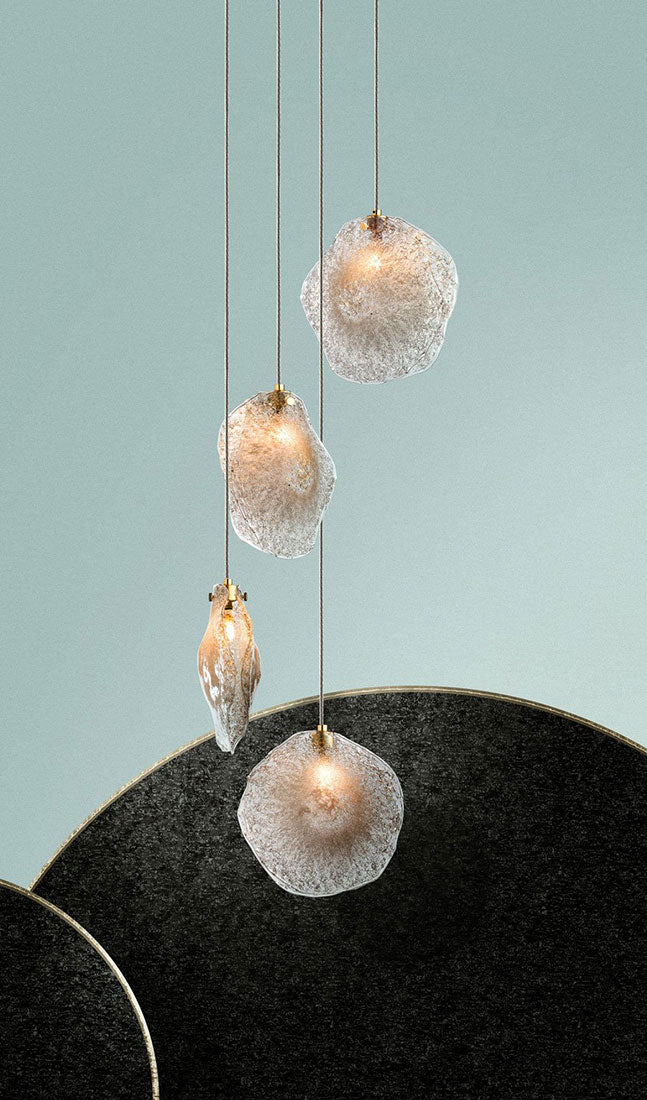


In the world of high-end interior architecture, lighting is no longer treated as a simple utility. It is an investment in functional art. A bespoke chandelier does not merely illuminate a room; it commands visual authority, defines spatial scale, and infuses residential and commercial properties with emotional warmth. Yet, when discerning homeowners and interior designers begin evaluating custom lighting options, pricing can often feel opaque.
Unlike off-the-shelf fixtures mass-produced in factory molds, custom handcrafted chandeliers carry pricing that reflects master artistry, structural engineering, raw material quality, and tailored spatial design. Understanding the financial breakdown of a bespoke lighting installation empowers trade professionals and clients to make informed decisions, ensuring their investment yields an architectural heirloom that transforms the surrounding environment.

1. The Core Price Drivers of Custom Lighting
Investing in custom illumination involves far more than purchasing raw components. Several core factors dictate the final cost of a bespoke chandelier:
-
Scale and Volumetric Mass: The overall dimensions, number of individual glass pendants, and canopy square footage directly influence production hours and material consumption.
-
Artisan Glass Crafting Techniques: The intricacy required to mouth-blow, texture, or shape each glass element demands specialized hot-shop labor.
-
Structural Metalwork & Finishing: Custom canopy geometries, hand-applied metal finishes (such as brushed brass, blackened steel, or oil-rubbed bronze), and internal structural armatures add engineering complexity.
-
Lighting Technology & Integrated Controls: Precision LED engines, high color rendering index (CRI) arrays, custom drivers, and smart-home dimming integration dictate internal component costs.
2. Master Glassblowing: The Value of Artisanship
The primary soul of a handcrafted chandelier lies within its glass elements. Machine-pressed glass yields flat, uniform pieces devoid of character. In contrast, studio-crafted blown glass is built layer by layer through centuries-old traditions documented by institutions like the Corning Museum of Glass.
Master glassblowers gather molten silica from furnaces running above $2,000^\circ\text{F}$. Each pendant or sculptural shade is individually mouth-blown, hand-drizzled, or textured with optic molds. The resulting organic bubbles, micro-crackles, and gentle color swirls capture and refract light in ways mass-manufactured alternatives cannot replicate. The time, high energy consumption of furnace operations, and specialized physical skill required to maintain quality control across dozens, or hundreds, of matching glass elements represent a significant portion of the total investment.
3. Structural Engineering and Custom Metal Fabrication
A grand chandelier hanging in a double-height entryway or sweeping over a dining table must balance aesthetic airiness with total structural integrity. Behind every delicate glass cascade lies heavy-duty architectural engineering.
Custom canopies must be CAD-modeled to fit unique ceiling conditions, including sloped rafters, exposed timber beams, or coffered recessed bays. High-end studios fabricate heavy-gauge steel or brass mounting plates engineered to distribute weight safely across ceiling joists. Furthermore, adherence to safety standards established by organizations like the National Institute of Building Sciences ensures that large-scale installations comply with rigorous structural load ratings and local building codes.

4. Comparing Investment Tiers for Custom Illumination
To help evaluate budget allocations for luxury interior projects, the following breakdown outlines typical investment tiers, spatial applications, and design characteristics:
|
Investment Tier |
Typical Spatial Application |
Glass & Metal Specifications |
Scope & Customization Level |
|
Entry Custom Tier ($3,000 – $7,000) |
Powder rooms, kitchen islands, small dining nooks, hallway corridors. |
3 to 7 hand-blown glass pendants; standard round or square custom canopies; classic brass or chrome finishes. |
Tailored suspension drop lengths, choice of core glass color tints, standard warm LED integration. |
|
Mid-Range Luxury Tier ($7,000 – $18,000) |
Grand dining rooms, primary suites, boutique reception lounges, standard foyers. |
8 to 25 intricate glass elements; custom-sized canopies; hand-applied metal finishes (e.g., brushed bronze, matte black). |
Fully customized cluster geometry, multi-level pendant drops, mix of textured and colored blown glass shades. |
|
Architectural Statement Tier ($18,000 – $45,000+) |
Double-height foyers, grand multi-story stairwells, commercial atrium spaces. |
25 to 100+ sculpted glass pendants; multi-tiered canopies; custom structural armatures. |
Site-specific engineering, custom-colored glass formulations, CAD shop drawings, smart-home driver integration. |
5. Light Ergonomics, Color Rendering, and Systems Engineering
A luxury fixture must perform impeccably. The internal electrical ecosystem heavily influences overall cost. Inferior LEDs cast greenish hues and flicker when dimmed, ruining carefully curated interior palettes.
Bespoke fixtures utilize high-CRI (90+ Color Rendering Index) LED drivers that faithfully render natural wood grains, marble veining, and wall finishes. Following lighting design guidelines established by the Illuminating Engineering Society (IES), custom installations balance glare control with warm color temperatures ($2700\text{K}$ to $3000\text{K}$) to create an inviting ambient glow. Engineering smooth compatibility with advanced control systems (such as Lutron, Crestron, or Control4) requires specialized electronic components and rigorous studio testing prior to dispatch.
6. Actionable Advice for Specifying Custom Lighting Budgets
For interior designers, architects, and homeowners planning a custom lighting installation, incorporating these strategic practices keeps projects on schedule and within budget:
Plan Electrical Backing Early
Avoid costly site retrofits by involving your lighting studio during the architectural framing phase. Large-scale hand-blown glass chandeliers require reinforced junction boxes or dedicated ceiling blocking to support total fixture weight.
Balance Scale Over Density
If working within a defined budget for a double-height space, opt for larger individual glass elements spaced strategically along longer suspension cords rather than dense, small-pendant clusters. Larger glass pieces fill volumetric space effectively while optimizing total component counts.
Layer Lighting Types Strategically
Combine a central statement chandelier with accent fixtures like modern hand-blown glass wall sconces or kitchen glass pendant lights. Spreading the lighting budget across layered sources creates visual harmony throughout the residence.
Verify Site Access and Ceiling Conditions
Always measure doorway clearances, stairwell turns, and ceiling angles before finalizing canopy designs. Ensuring clear delivery pathways and evaluating sloped ceiling pitch angles prevents unexpected field modifications during final installation.
Commissioning Your Unique Architectural Masterpiece
When you invest in a bespoke chandelier, you are acquiring far more than an overhead light fixture, you are bringing a unique fine-art sculpture into your living space. From the intense heat of the glassblowing hot shop to precision metal engineering and final assembly, every step in the process contributes to an enduring architectural centerpiece.
At Shakúff, our Brooklyn-based studio blends modern design sensibilities with master glassblowing traditions to craft one-of-a-kind fixtures for luxury homes and commercial venues worldwide. Learn more about us, explore our recent installations in our custom gallery, or contact our design team today to begin your custom commission.