


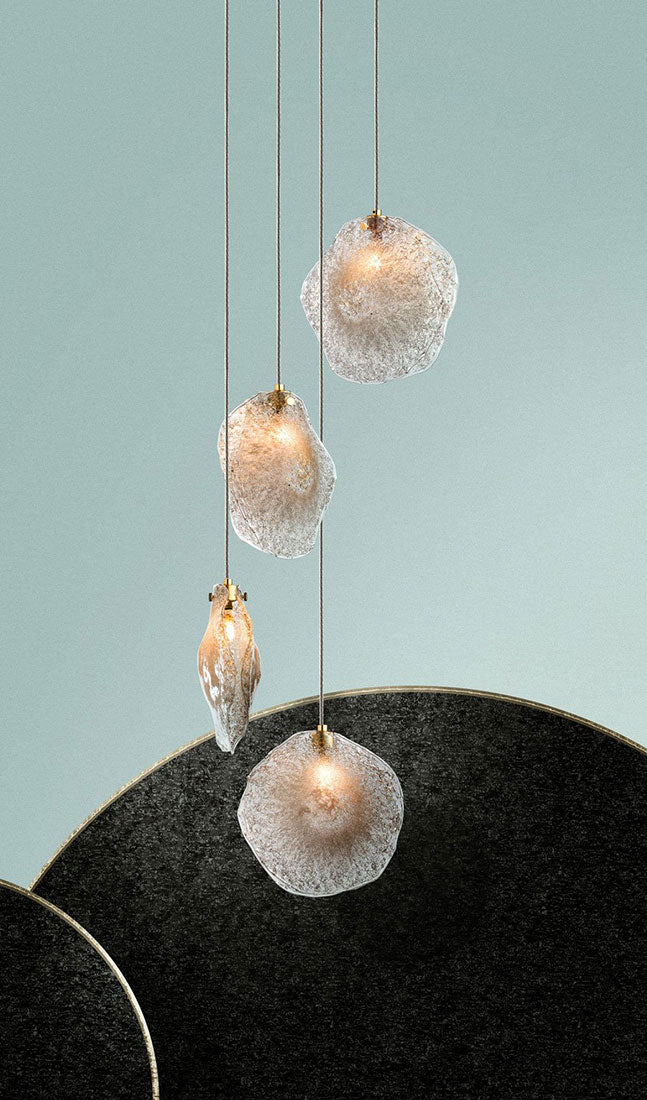


The sensation of comfort within an indoor environment is far more complex than the digital readout on a wall thermostat. While mechanical HVAC systems control the literal air temperature, human beings experience spaces through an intricate mix of physical, psychological, and sensory signals. The materials, colors, and lighting choices that surround us constantly send subconscious messages to the brain, directly shifting how warm or cool a room feels.
In contemporary interior design, managing this psychological comfort is a major creative challenge. Large architectural footprints, expansive concrete flooring, minimalist plaster walls, and soaring windows can create a cold, uninviting environment, even if the ambient air temperature is perfectly regulated.
To introduce emotional warmth without cluttering a clean, modern layout, designers frequently turn to the optical properties of artisan-blown glass. Specifically, the integration of smoky amber glass within custom lighting installations serves as a powerful design tool. By filtering light through this specific, rich hue, homeowners can subtly alter human sensory perception, transforming a stark architectural space into a deeply comforting sanctuary.
The Psychophysics of Color and Thermal Perception
The relationship between visual stimuli and thermal comfort is rooted in a psychological phenomenon known as the "hue-heat hypothesis." This theory suggests that colors on the red, orange, and yellow end of the spectrum evoke a psychological sensation of warmth, while blues, greens, and grays induce a feeling of coolness.

Filtering light through customized rich glass hues alters the sensory perception of an interior's climate.
This reaction is not merely emotional; it has measurable biological components. According to environmental design research published by the National Institutes of Health, exposure to warm light wavelengths can influence autonomous nervous system responses, including subtle shifts in heart rate and skin temperature perception.
Wavelength and Thermal Sensation Matrix
| Light Wavelength Spectrum | Psychological Response | Thermal Sensation |
|---|---|---|
| Cool Blue / Crisp White | Alertness, clinical cleanliness | Perceived lower temperature profile |
| Warm Gold / Amber Tint | Relaxation, emotional security | Perceived higher baseline warmth |
When artificial light passes through smoky amber glass, it undergoes a profound structural shift. The glass absorbs the shorter, cooler blue wavelengths of the light spectrum while allowing the longer, warmer red and yellow wavelengths to pass through cleanly. This filtering effect wraps the interior in a rich, golden cast that mimics the comforting glow of an open flame or a late summer sunset, tricking the brain into perceiving the physical space as noticeably warmer and more inviting.
Decoding the Visual Chemistry of Smoky Amber Glass
True smoky amber glass is not a synthetic paint or an exterior film applied to a clear globe; it is a product of precise elemental chemistry achieved during the molten phase of glassblowing. Artisans introduce specific metallic oxides, such as iron, sulfur, and selenium, into the liquid silica batch. The exact balance of these minerals, combined with the temperature of the furnace, determines the depth, clarity, and undertone of the finished glass.
The Balancing Act of Smoke and Gold
Pure amber glass can sometimes feel intensely saturated, steering an interior toward a heavy, retro aesthetic. Introducing a smoky gray element completely changes this dynamic. The "smoke" component acts as a visual neutralizer, calming the vibrant energy of the amber and adding a sophisticated, shadowy depth.
This combination is exceptionally valuable in modern luxury architecture. The golden amber tones provide the essential psychological warmth needed to counteract cold materials like stone or polished concrete, while the smoky undertone maintains a sleek, contemporary edge that aligns beautifully with minimalist design.
Layering Light and Shadow
When light radiates outward through smoky amber glass, the material creates a complex gradient of illumination. Where the glass is thicker, near the neck or the base of a hand-blown pendant, the color deepens, holding onto the light and creating rich, dark shadows. Where the glass thins out along the curve of the sphere, the light breaks through with clean, golden clarity. This contrast between light and dark adds critical visual texture to a room. Instead of flat, uniform brightness, the space gains a layered atmosphere of depth and movement, a quality that is central to creating an authentic sense of domestic comfort.
The Optical Impact of Handcrafted Textures
While the color profile of smoky amber glass establishes the foundation for thermal perception, the physical finish of the glass determines how that warmth is distributed across the room.

Handcrafted texturized glass features variable wall density, casting layered shadows instead of clinical glares.
Texture & Diffusion Topography
| Glass Texture Type | Light Diffusion Pattern | Atmospheric Impact |
|---|---|---|
| High-Gloss Smooth | Reflective, sharp, and crisp geometric highlights | Energetic structural warmth and crisp movement |
| Frosted / Satin | Soft, uniform, and cloud-like internal glow | Serene, calm, and meditative sensory insulation |
| Drizzled / Seeded | Prismatic, intentionally broken refractions | Textured, complex, and deeply rich interior ambiance |
Matte and Frosted Surfaces as Visual Insulation
When amber glass is treated with an acid-etched or sandblasted matte finish, it alters how light rays exit the vessel. Research compiled by the Lighting Research Center indicates that diffusing an intense light source through textured mediums significantly reduces glare, eliminates harsh shadow lines, and creates a more visually comfortable environment.
A matte, smoky amber fixture acts as a form of visual insulation. It transforms a piercing, localized bulb into a soft, glowing orb of light. This velvety diffusion fills the space evenly, mimicking the soothing texture of a cashmere blanket or a soft wool textile, which further enhances the psychological feeling of warmth and security within the home.
Integrating Smoky Amber Glass into Diverse Architectural Layouts
The implementation of smoky amber glass must be handled with care to ensure the fixture complements the home's existing materials, proportions, and natural light patterns.
Softening the Coldness of Modern Great Rooms
Great rooms featuring double-height ceilings, steel columns, and floor-to-ceiling glass walls are magnificent feats of modern engineering, but they often suffer from a lack of intimacy. During the evening hours, these vast spaces can feel cold and exposed.
Suspending a substantial multi-pendant installation featuring smoky amber elements into the center of the room instantly grounds the architecture. The warm glow establishes a lower visual ceiling, creating an inviting zone of light within the larger void. By blending amber pieces with clear or smoky gray accents, designers can craft a balanced color story that provides comfort without overwhelming the room's neutral palette.
Elevating the Dining Experience
In a formal dining space, lighting is the primary tool for fostering connection. A linear installation or a sweeping canopy of warm glass above the table sets an intimate tone for long evenings of conversation.
Using fixtures like the hand-shaped pieces found across the varied collections at Shakúff allows homeowners to create a tailored canopy of light. The amber glass bathes guests and meals in a flattering, golden light that enhances the overall dining experience, making gatherings feel relaxed and celebratory.
Spatial Integration Reference
| Architectural Zone | Design Challenge | Smoky Amber Solution |
|---|---|---|
| Great Room | High ceilings, expansive volumes, and cold industrial stone or concrete | Grounds the open space plane and introduces psychological intimacy. |
| Dining Room | Fostering human social connection and clearing glare barriers | Creates a warm, highly flattering canopy environment for diners. |
| Kitchen Island | Balancing clean task output with a welcoming evening mood light | Softens functional linear counters and gently balances glare. |
The Art of Customization and Color Gradients
Every interior possesses a unique spatial personality, dictated by its geographic location, structural orientation, and material palette. A home in a sun-drenched coastal environment requires a different lighting approach than an urban penthouse or a mountain retreat. This is why mass-produced, off-the-shelf lighting fixtures often fail to satisfy the complex sensory needs of a luxury home.
Working with an artisanal design partner like Shakúff Luxury Lighting transforms lighting selection into a collaborative act of artistic creation. Rather than choosing a single, unchangeable color option, designers can customize the exact distribution and tint configuration of a fixture.
For instance, when configuring a multi-tiered custom chandelier, a designer can implement a custom color gradient. By placing deep smoky gray glass elements at the top of the cluster and transitioning downward into warm ambers and clear glass near the bottom, the fixture echoes the natural light transitions of the sky.
Furthermore, homeowners can choose specialized designs like the Kadur Drizzle Collection, which features hand-applied internal glass threads that catch the warm amber light, creating a shimmering effect that adds depth even when the fixture is turned off during the day. This level of thorough personalization ensures the completed installation satisfies both the practical illumination needs and the precise emotional tone of your architecture.
The Permanent Value of Material Integrity
In a design landscape filled with temporary trends and disposable decor, investing in authentic, hand-blown glass and high-grade metals is a commitment to timeless luxury. Handcrafted materials hold an intrinsic value that artificial items cannot replicate, a priority supported by sustainable luxury building guidelines from organizations like the U.S. Green Building Council.

Custom high-end lighting serves as an enduring heirloom, anchoring spaces across generations.
A hand-blown smoky amber glass fixture does not fade, cloud, or degrade over time. The materials age gracefully, with metal canopies and rods developing a rich patina that enhances the character of the installation. By choosing objects built to endure for generations, you create a sustainable heritage within your home, ensuring your space is illuminated by a source that remains beautiful, functional, and comforting for decades to come.
If you are inspired to transform the psychological warmth, comfort, and atmospheric quality of your living space through the sophisticated use of custom, handcrafted glass, we invite you to connect with the artisans at Shakúff. Explore our fully customizable glass textures and configurations, or contact our specialized design consultation team today to begin co-creating a bespoke lighting installation tailored perfectly to the architecture, scale, and sensory spirit of your home.
Frequently Asked Questions
Do all the light fixtures in an open-concept room have to match exactly?
No. In fact, if everything matches perfectly, the space can look monotonous and sterile. Instead of matching identically, look for fixtures that complement one another. With Shakúff's bespoke process, you can mix and match custom scales and canopy finishes while sharing a unified glass palette or hardware tone to tie different zones of an open layout together seamlessly.
How do I avoid an absolute mess of shadows when mixing multiple fixtures?
By utilizing our hand-blown, richly textured glass, such as our drizzled, dimpled, or ruffled styles, instead of flat industrial glass, light rays are naturally diffused, refracted, and scattered in multiple directions. This softens the output, reduces harsh overlapping shadows, and keeps the entire room feeling warm and cohesive.
What is the average lead time for a custom home lighting package?
Because every single glass pendant is individually hand-blown by our studio artisans, inspected for quality, and custom-assembled to fit your exact ceiling height, canopy specifications, and cord lengths, our standard production lead time typically ranges from 10 to 12 weeks.