


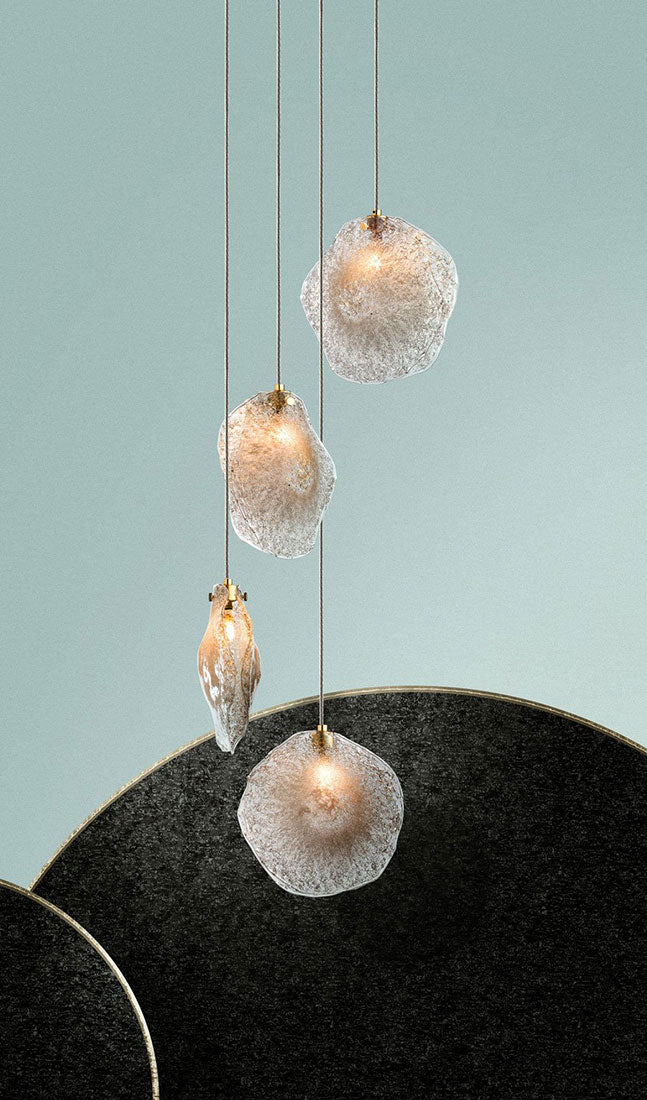


For years, interior design was dominated by a single, unyielding rule: less is more. Spaces were defined by sharp lines, monochrome palettes, and hidden fixtures. Lighting, too, fell victim to this ultra-clean aesthetic. Recessed canned lights, invisible LED strips, and plain, black metal bars became the default choices. The goal was to make lighting disappear entirely into the drywall.
But design trends are cyclical, and a major shift is underway. Homeowners and interior designers are growing tired of cold, sterile spaces that feel more like tech offices than welcoming homes. People want personality, texture, warmth, and a sense of history in their living areas. As a result, bold, artistic expression is returning to center stage. This structural shift explains why sculptural maximalism is replacing minimalist lighting in luxury homes, boutique hotels, and forward-thinking architectural projects worldwide.
At Shakúff, we have always believed that light shouldn't just illuminate a room, it should define it. The move toward maximalism isn't about creating cluttered or messy spaces. Instead, it is an embrace of deliberate, high-impact craftsmanship. It is about replacing forgettable, mass-produced recessed lights with oversized, hand-blown glass fixtures that demand attention and act as the visual anchor of a room.
The Fatigue of the Invisible Minimalist Room
To understand why sculptural maximalism is replacing minimalist lighting, it helps to look at where interior design has been for the last decade. Minimalism promised a calm, clutter-free life, but in practice, it often resulted in interiors that felt flat and detached. When every light fixture is hidden in a ceiling pocket, a room loses its focal point. The light becomes strictly functional, casting an even, uninspired glow over a space without creating any mood or character.

Grand architectural spaces require a bold visual center of gravity to bridge the empty vertical void.
Designers are realizing that large spaces, like grand entryways, high-ceiling great rooms, and expansive dining areas, need a visual center of gravity. Without an eye-catching fixture to bridge the gap between the floor and a high ceiling, grand rooms can feel empty, cold, and echoing.
By choosing bold, sculptural fixtures, you introduce an artistic element that fills the empty vertical space. Lighting is no longer treated as an invisible utility; it is celebrated as a functional art piece that sets the emotional tone for the entire home.
What is Sculptural Maximalism in Lighting?
A common misconception is that maximalism means simply packing as many objects into a room as possible. True sculptural maximalism is highly curated, intentional, and grounded in exceptional craftsmanship. In lighting design, it refers to fixtures that feature rich textures, intricate patterns, varied color palettes, and expansive, dramatic scales.
Instead of a basic, machine-stamped metal track light, a maximalist fixture might be a massive, custom-stamped canopy holding dozens of unique, hand-blown glass pendants. These pendants cascade through a stairwell or over a dining table like an organic waterfall.
The value of this style comes from its natural variation. When glass is heated to over 2,000°F and shaped by a master glassblower, it naturally develops tiny air pockets, wavy edges, and subtle shifts in thickness. These organic elements aren't flaws. They are the exact details that give the fixture its physical depth and personality.
Material Performance: Minimalism vs. Sculptural Maximalism
To see the stark contrast between these two design philosophies, we can compare how their typical materials handle light, scale, and visual impact.
Lighting Philosophy Comparison
| Design Component | Minimalist Industrial Lighting | Sculptural Maximalist Art Lighting |
|---|---|---|
| Primary Materials | Extruded aluminum, plastic diffusers, plain wire | Hand-blown glass, high-purity brass, textured metals |
| Visual Presence | Hidden, flush-mounted, or quietly blends in | Dominant, conversational, acts as a room's anchor |
| Light Interaction | Flat, direct downward beams; uniform illumination | Multi-directional refraction; soft, shimmering shadows |
| Customization Depth | Fixed lengths, standard factory color choices | Fully bespoke pendant counts, layouts, and colors |
| Emotional Impact | Clean and functional, but can feel sterile | Warm, luxurious, artistic, and highly personal |
The Optical Magic of Textured Glass
The main reason why sculptural maximalism is replacing minimalist lighting comes down to physics and human emotion. Flat, factory-made glass or plastic allows light beams to pass straight through without any disruption. The result is a harsh, direct glare that can cause eye strain and flatten the textures of your furniture and floors.
When you push light through handcrafted, heavily texturized art glass, a beautiful transformation occurs. Every ripple, dimple, and internal air pocket acts as a tiny, self-contained lens.
The light bends and scatters in multiple directions at once. Instead of a sharp, blinding hotspot, the fixture throws a warm, shimmering glow across the room. This texturized light softens the sharp angles of modern architecture, creating beautiful shadow plays on the walls and making large spaces feel instantly cozy and inviting.

Handcrafted texturized glass transforms light into deep, layered multi-directional refraction.
Our signature collections demonstrate this optical play perfectly:
- The Crystal Shell Collection: The wavy edges and fused glass chunks in our Crystal Shell Chandelier Collection scatter light dynamically, making them an incredible statement piece for a grand dining room.
- Cascading Multi-Pendant Formations: Grouping smaller, unique pieces like the Crystal Shell Single Pendant into a large, staggered cluster allows you to scale up the drama of an installation without making the room feel heavy or overcrowded.
How to Successfully Bring Bold Lighting Into Your Space
Moving away from minimalism doesn't mean you should pick a loud, mismatched fixture at random. To make sculptural maximalism work beautifully in a high-end interior, keep a few foundational rules in mind.
Consider the Visual Weight
Visual weight is how heavy or large an object looks inside a room. A massive, solid black metal dome has a very heavy visual weight and can easily make a ceiling feel low and oppressive. Hand-blown glass, even when arranged in an oversized, 50-pendant chandelier, has a light, airy visual weight. Because the glass is translucent, you can fill a massive vertical void without blocking your sightlines or cluttering the room.
Center the Installation as a Design Anchor
A bold, maximalist light fixture works best when it is treated as the undisputed star of the show. Center a cascading multi-pendant array in the eye of a spiral staircase, drop a multi-tiered chandelier directly over a custom dining table, or mount a dramatic fixture in the center of a double-height foyer. Let the rest of the room's decor complement the lighting, rather than competing with it.
A Note for Builders: Because maximalist, hand-blown art glass fixtures feature thick, high-density glass and solid metal canopies, they carry substantial physical weight. Always work with your contractor and electrical team to ensure your ceiling framework is reinforced with proper structural support to hold the fixture safely.
Merging Artistic Drama with Modern Control
Embracing maximalist style doesn't mean giving up modern technology. We pair our handcrafted glass art with high-efficiency, dimmable LED systems that boast an exceptional Color Rendering Index (CRI). This ensures that your custom glass colors and interior finishes look rich and accurate.

Oversized, dramatic installations demand attention, shifting rooms from clinical to highly luxurious.
By connecting these large fixtures to a smart home automation system, you can easily change the mood of the room throughout the day. Keep the lighting bright and energetic for a lively daytime gathering, or dim it down to a soft, low shimmer at night to watch the light dance inside the hand-blown glass details.
Explore Our Custom Lighting Portfolio
If you are ready to move away from uninspired minimalist trends and explore why sculptural maximalism is replacing minimalist lighting in your next residential or commercial project, view our full design resources:
- Map out our complete product pathways and collection lists
- View our primary design philosophy and gallery of finished projects.
- Browse our complete selection of custom, cascading multi-pendant options on our Collections.
To learn more about the rich history and physics behind traditional art glassblowing, explore the historical databases at the Corning Museum of Glass. For professional technical guidelines on architectural light levels and safety metrics, visit the public resources provided by the Illuminating Engineering Society.
Frequently Asked Questions
Does a maximalist light fixture require special maintenance?
Because our fixtures are made of high-quality glass and premium metal finishes, they simply require occasional dusting with a microfiber cloth. For ultra-high installations, we can recommend motorized lift systems that lower the fixture safely to the floor for cleaning.
Can I mix different glass colors within a single maximalist chandelier?
Yes, absolutely. Customizing color gradients, glass shapes, and hardware finishes to match the specific personality of your room is a core part of our bespoke design process.
What is the standard lead time for a custom, hand-blown chandelier?
Because every individual glass component is hand-blown by our artisans, carefully inspected, and custom-assembled to fit your ceiling's measurements, our standard production lead time is 10 to 12 weeks.